
The One-Page Insurance Certificate I'm Packing for Europe
Last updated
✦5 min read
My pre-trip list for November is getting longer. Hungary, Austria, Switzerland, France. Train times, the conference schedule, the Christmas markets I've been looking forward to since summer.
This week I added one small line to it: call the insurer, ask for one page.
It's the least exciting thing on the list. It might also be the most useful ten minutes I spend before I go.
The short answer
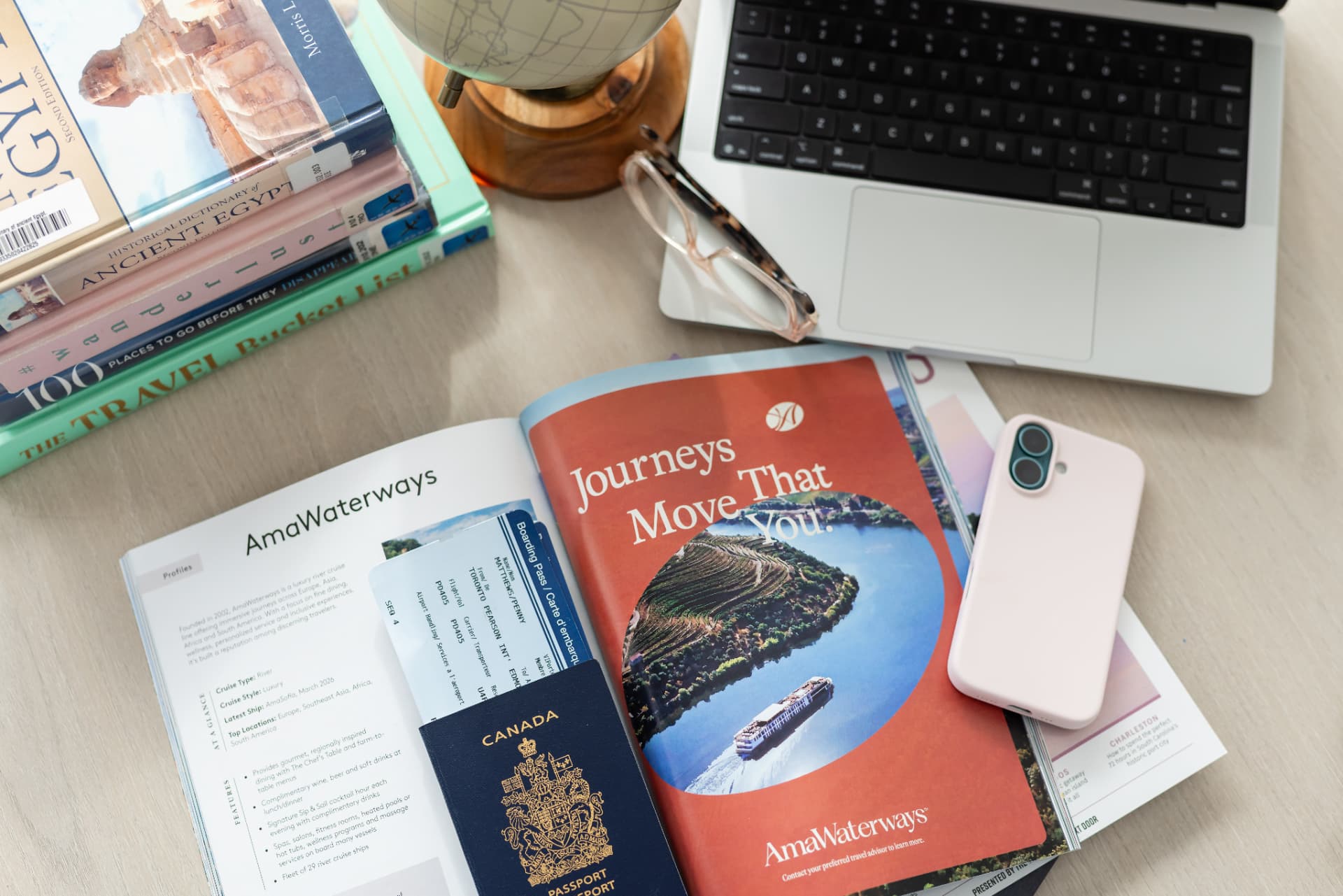
Before you leave for Europe, ask your insurance company for a one-page certificate of insurance. It should show your name, policy number, exact coverage dates, that you're covered across all Schengen countries, at least €30,000 in emergency medical coverage, repatriation coverage, and a 24-hour assistance number. Carry it on paper and on your phone.
For most Canadians on a holiday, the chance anyone asks to see it is small. The fix is easy, and having it means you'll never have to hand an official a 40-page benefits booklet and hope.
What has actually been in the news?
You may have seen headlines this month about Canadians being fined in Europe even though they had insurance. The Traveler reported on updated Canadian travel information that makes a fair point: having coverage and being able to prove coverage in a format an official recognises are two separate things. Insurance specialists have seen generic confirmation letters turned away because they didn't state the amount covered or where the policy was valid.
Here's the context those headlines leave out. Canadians visiting Europe as short-term tourists don't need a visa, and according to the same reporting, EU documents indicate there's no universal requirement for visa-free visitors to show proof of insurance at the border. The countries named most often (Germany, Italy, Belgium, Spain and Greece) are flagged for how strictly they check insurance paperwork on visa applications, which most of us never file.
Where the risk is real, it's narrow. Some countries allow fines when a visitor can't meet the conditions of their stay, and border officers can ask how you'd cover your costs, medical ones included. A clear certificate answers that question in seconds.
Why bother if the risk is small?
Because the moment you'd need it is the moment you'd least want to be searching for it.
Picture yourself at a passport desk after an overnight flight, or sitting in a clinic in a city where you don't speak the language. Anyone in that room who needs to know you're covered wants the same few facts: who you are, which policy, which dates, how much, where it's valid, and who to call. One page gives them all of it. Your benefits booklet makes them dig.
There's a quieter benefit too. Making that call forces you to find out what your coverage actually includes before you need it. Your provincial health plan pays very little once you leave Canada, so this is worth knowing anyway.
What should the certificate say?
Ask for a single page that clearly shows:
- Your full name, exactly as it appears on your passport
- Your policy number
- Exact dates of coverage, covering every day of your trip, door to door
- Territorial validity, written as "worldwide" or "valid in all Schengen states"
- Emergency medical coverage of at least €30,000 (or the equivalent in Canadian dollars)
- Repatriation and emergency evacuation, named explicitly
- A 24-hour emergency assistance phone number
The €30,000 figure comes from Schengen visa rules. You likely aren't applying for a visa, but it's the benchmark European officials know, so it's a sensible standard to meet.
What if my coverage is through work or a credit card?
Make the same call. Workplace plans and credit card coverage can be perfectly good policies, and they're also the ones most likely to come with a long booklet and no tidy certificate.
Ask your benefits administrator or card provider to confirm in writing that your coverage meets the points above for your full trip. If they can't, a separate travel medical policy built to Schengen standards is a small cost for the peace of mind. Many insurers can issue one with a certificate the same day.
Paper, phone, and a card in your wallet
Print a copy and keep it with your passport. Save a digital copy on your phone and email one to yourself.
Then write your insurer's assistance number on a card and tuck it in your wallet. Phones run out of battery, lose signal, and go missing at exactly the wrong moment. A card in your wallet keeps working.
The kind of preparation that lets you relax
Insurance is the part of trip planning nobody looks forward to. I understand that. It's also the part that lets you stop thinking about what could go wrong and start paying attention to where you are.
One phone call. One sheet of paper. It's on my list for November, right under the train times.
If you're planning Europe for 2027 and would like someone to think through details like this with you, I'd love to hear what you have in mind. Not a sales call. Not a pitch. Just a conversation.
Sources: The Traveler, "Canada Issues New Warning On Health Cover For Europe Trips," October 2026; Government of Canada travel advice at travel.gc.ca. Entry rules change, so check the official travel.gc.ca page for each country on your itinerary before you leave.
Questions I hear often
Related field notes
Europe by Train: A Canadian's Guide to the Rails
If you're planning a trip to Europe, here's the first shift to make: the train isn't simply how you get from point A to point B. It can be part of the European experience itself.
Read more →River Cruise EducationWhy You Don't Have to Choose Between Paris and Your River Cruise
River cruises rarely return to their starting point — which means you can add three or four days in a completely different city, at either end, without extra flight costs.
Read more →River Cruise EducationHow Far in Advance Should You Book a European River Cruise?
For most European river cruises, the ideal booking window is 12 to 18 months out. Here's why — and what happens if you wait.
Read more →Ready to plan your own journey?
No pressure, no pitch. Just a conversation about what might be possible.
Work with PennyA personal note
When you're ready, I'm here
No pressure, no commission-driven pitch. Just an unhurried conversation about the river, the season, and the ship that fits where you are in life right now.
— Penny