
Which European River Should You Cruise First?
✦5 min read
Why Your First River Matters More Than You Think
There's a moment that happens on every first river cruise — usually around day two — when the pace of it truly settles in. You're gliding past vineyard-covered hillsides or medieval fortresses reflected in still water, and something in you unclenches. This is nothing like a coach tour, nothing like a large ocean ship. It's quieter. More intimate. More yours.
That first experience shapes your understanding of what river cruising is. The river you choose shapes the texture of that memory. So it's worth choosing deliberately.
The Rhine: The Natural Starting Point
The Rhine is, for most first-time river cruisers, the ideal introduction — and not by accident. It's one of the most scenically dramatic waterways in Europe, particularly along the Rhine Gorge between Rüdesheim and Koblenz, where vine terraces tumble down steep hillsides and centuries-old castles crown nearly every promontory. Itineraries typically flow through Switzerland, France, Germany, and the Netherlands — four countries in seven to ten days. The Rhine also has the most developed infrastructure for river cruising, meaning the range of lines, from premium to ultra-luxury, is the widest of any European waterway.
The Danube: For History and Depth
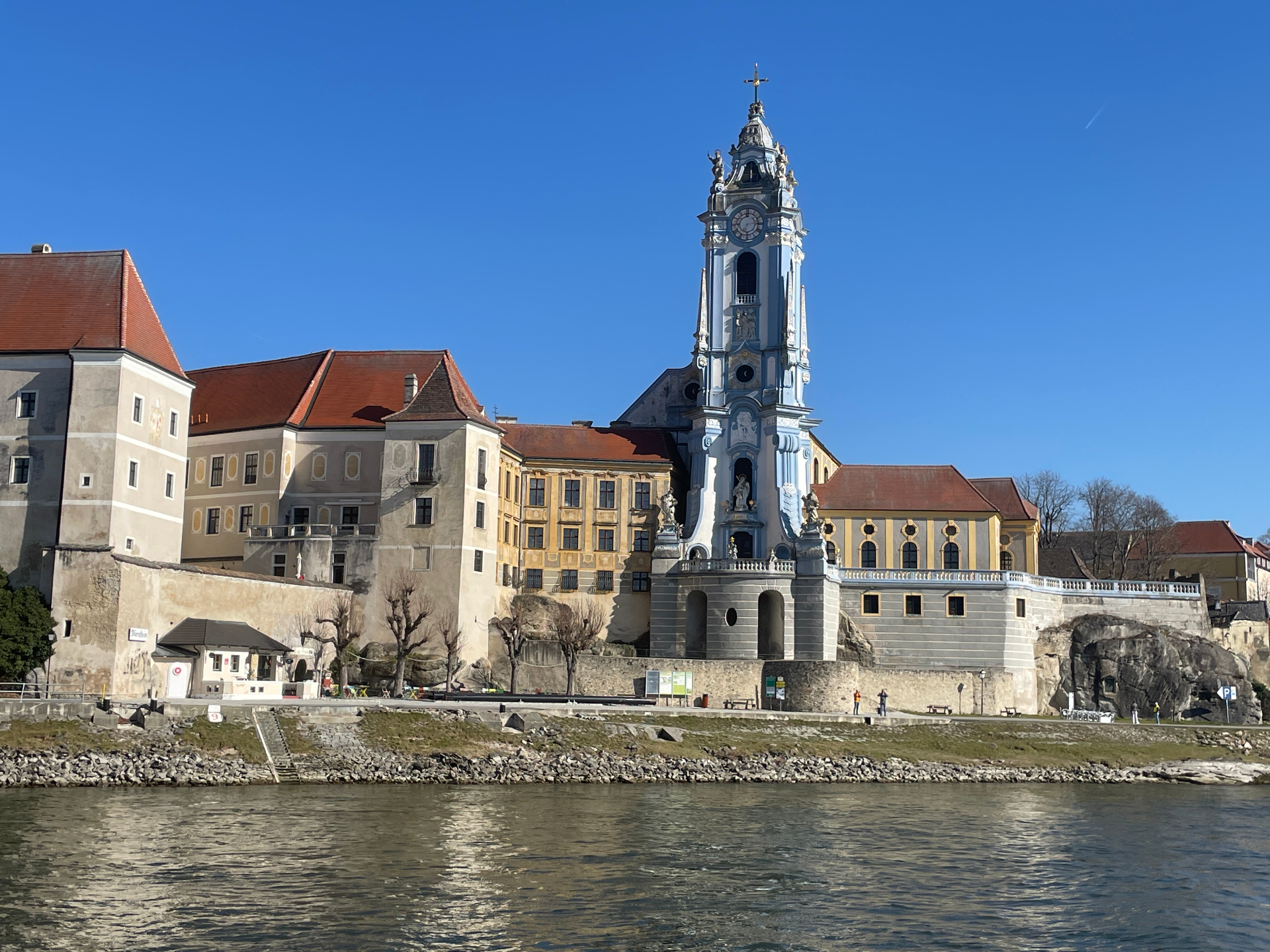
If the Rhine is the postcard river, the Danube is the one that gets under your skin. Flowing through more countries than any other river in the world, it takes you through the historic heart of Central Europe. The classic pairing is Vienna and Budapest, linked by the same unhurried waterway, with Bratislava and the Wachau Valley in between. The Danube is particularly compelling for travellers who share a deep interest in history and architecture, and it offers the greatest flexibility for extensions into the Balkans or further east.
The Douro and the Seine: When You're Ready to Go Deeper
Portugal's Douro Valley is narrower and more dramatic than the Rhine, winding through one of the world's oldest wine regions — terraced hillsides covered in port vineyards, small towns where time moves differently. Ships on the Douro are smaller by design, so the experience is more intimate. The Seine, by contrast, moves through the gentle countryside of Normandy and delivers Paris. It appeals to those for whom cultural depth, fine food, and waking up moored in the heart of a great city are the primary draw.
How to Choose: One Question Worth Asking
Before anything else, ask yourself: what do I want to feel on this trip? If you want sweep — moving through multiple countries, waking to a different city each morning — the Rhine is your river. If you want depth and the kind of history you can feel in the architecture, choose the Danube. If you want intimacy and wine, the Douro is waiting. And if Paris and the French countryside are the draw, the Seine makes perfect sense. There is no wrong river. There is only the one that's right for you, right now — and the one you'll want to sail next.
Related field notes
River Cruise vs. Ocean Cruise: What Canadian Travellers Need to Know
The answer isn't about the size of the ship — it's about two entirely different philosophies of travel.
Read more →Destination InspirationWhy River Cruising Is the Way I Travel Now
Not slow travel for retirees — a genuinely different way to see the world, at a pace that actually lets you feel it.
Read more →Ready to plan your own journey?
No pressure, no pitch. Just a conversation about what might be possible.
Work with PennyA personal note
When you're ready, I'm here
No pressure, no commission-driven pitch. Just an unhurried conversation about the river, the season, and the ship that fits the woman you are now.
— Penny